

NOVEMBER 2026 NEWSLETTER
– The art of seed cleaning –

November is a month of preparation. The trees are dropping their leaves, the plants have set seed and are dying back, the birds are heading south. The bright colours of October are fading to brown and grey. Winter is coming.
It sounds dismal and bleak, but it is beautiful in its own way. The changing temperatures often bring frost and fog, and the world goes quiet and still for a little while. Last year it snowed at the beginning of November; winter arrived early and never left. This year it is unusually warm and dry, perfect for harvesting seeds.
In this edition of the newsletter we are talking about the art of cleaning seeds. It is a creative process, often involving miscellaneous items scrounged from the kitchen. There is a lot of problem solving, trial and error, and lots and lots of fluff.

Here are the highlights of this month’s newsletter:
- Seed cleaning 101
- Shop for seeds by habitat type
- Bestselling species in October
Seed cleaning 101
Last year we received a grant from the Carolinian Canada Coalition as part of their ethical seed sources program. We used some of the grant to upgrade our seed cleaning equipment. We are deeply appreciative of their support, it enables us to provide clean, high quality native seeds to home gardeners and restoration projects.
The first step in seed cleaning is threshing. This is where the stems, leaves and pods are removed. Sometimes this happens while we are harvesting the seeds or fruit, but other times we harvest the entire seed head and need to separate out the seeds from the plant material.


Once the seed has been threshed there is still a lot of chaff, dust and debris mixed in with the good seed. The two ways to separate out good seeds from the chaff are by size and weight.
Winnowing uses wind to separate lighter material from heavier material. For centuries seed has been cleaned outside using the wind to blow away the lighter chaff and dust from the heavier seed. Winnowing is still done this way, but we have also added fans and vacuums to the mix in order to have more control. One of the tools we use is an air separator, also known as a zigzag cleaner.
Sieves separate seed from chaff by size. A collection of sieves of different sizes is used to remove material that is larger and smaller than the seeds. Any remaining flower parts or bits of leaves are often larger than the seed and can be separated using an appropriately sized sieve. And dust can be removed with a very fine mesh screen.


Seed cleaning is often a puzzle that needs to be solved. Each species behaves a little differently, what will work for one species won’t work for another one. And different people will clean the same species in different ways, depending on their equipment and the amount of seed that they need to clean.
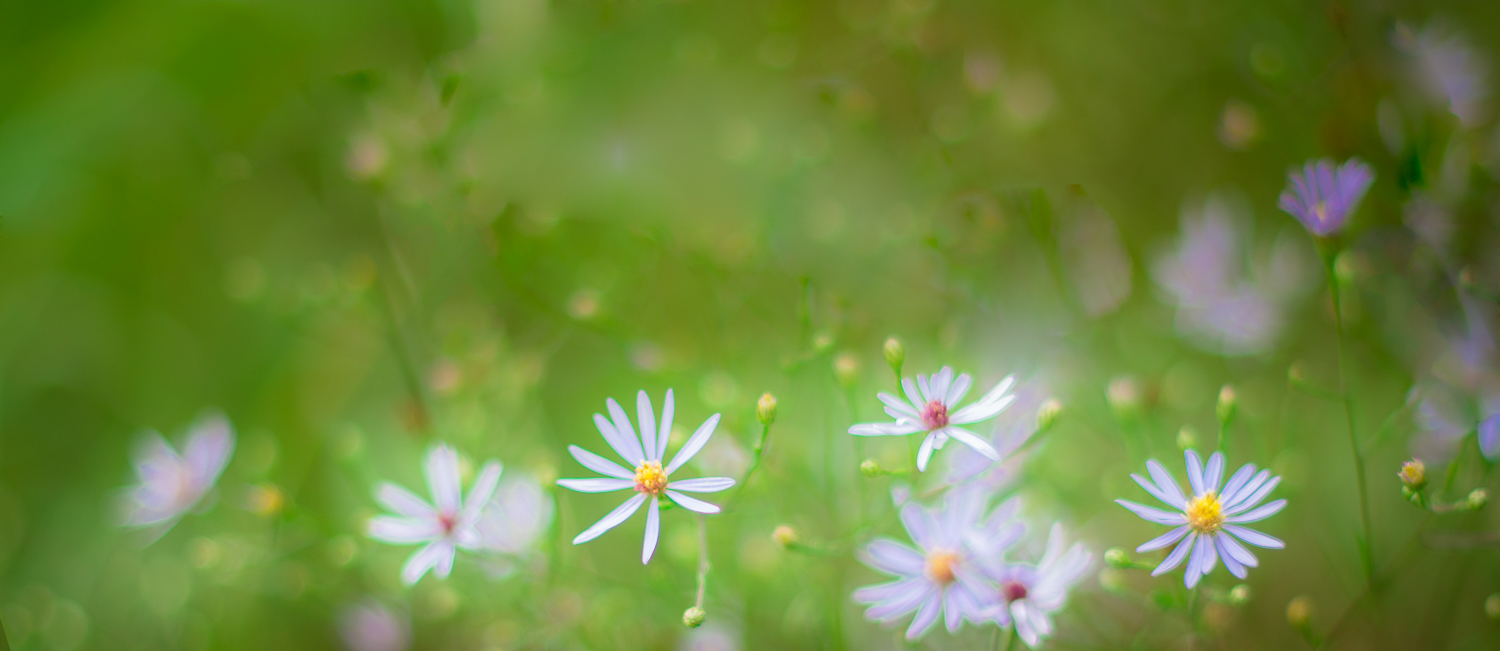
We are about halfway done with our seed cleaning for the year. We have around 30 species left to clean, mostly the fluffy asters and goldenrods. I am often taking notes, trying new techniques, seeing if there is a better way to clean certain species, especially those that take a long time. I like to have all of the seed cleaning finished by the end of November; we’ll see if I manage to hit my deadline this year!
If you have collected seed for your own personal use or to share with others, you do not need to clean your seeds. They will germinate just fine with the fluff attached. We clean our seeds because we want you to open your Swallowtail seed packets and pour out an exact amount of clean seeds, not a jumble of fluff and bits of dried leaves with some seeds mixed in.

Shop by habitat type
We will soon have seed for over sixty different native species for sale on the website. To help you match native species to the habitats they grow in, we have created the following categories right on our homepage: seeds for dry meadow habitats, seeds for wet meadow habitats, and seeds for woodland habitats.


Bestsellers
We are always so happy to send our native species out into the world to create and restore habitat. Our bestselling species in October were wild strawberry, red columbine, fireweed and Peck’s sedge.


May your November be filled with quiet moments of beauty and hidden wonders,
Andrea