

OCTOBER 2026 NEWSLETTER
Seed collecting

October is a busy month for a native seed farmer. While I have been harvesting some species over the summer, many species mature in October and into November, especially the asters, goldenrods and grasses. Fortunately, it is a great month to be outside. I’m enjoying the fall colours and the sounds of birds as they head south.
We are also preparing for winter. We have a ‘winter is coming’ checklist that we try to complete before the end of October. In the past we left some of these tasks unfinished and we suffered the consequences later. There is lots to do, but also lots to enjoy! I will make sure to squeeze in some time to look at the sky and drink a pumpkin spice latte.

Here are the highlights of this month’s newsletter:
- seed collecting
- sedge germination report
- ecological restoration conference
Seed collecting
It’s not hard to collect seed from native plants in your garden, the main thing is to pay attention to the plants and learn the signs that the seed is ready. Timing is important, if you collect the seed when it is immature it will not germinate very well, and if you try to collect too late it will have already dispersed. When I first started seed collecting I was tempted to collect the seed too early, as I was afraid that I would miss the window. But harvesting too early is also a mistake, and you end up with seeds that are not viable.
The first sign is whether or not the seed detaches easily from the plant. The seed should be almost falling off the plant, if you have to try hard to pull the seed off it is not ready. The second sign is the colour of the stem just below the seed head. It should be brown and dry.

this black-eyed Susan (Rudbeckia hirta) is ready to harvest.
Unlike domesticated plants, seed from a wild species does not tend to mature all at the same time. You will probably have some seed that is ready and some that is still immature on the same plant.
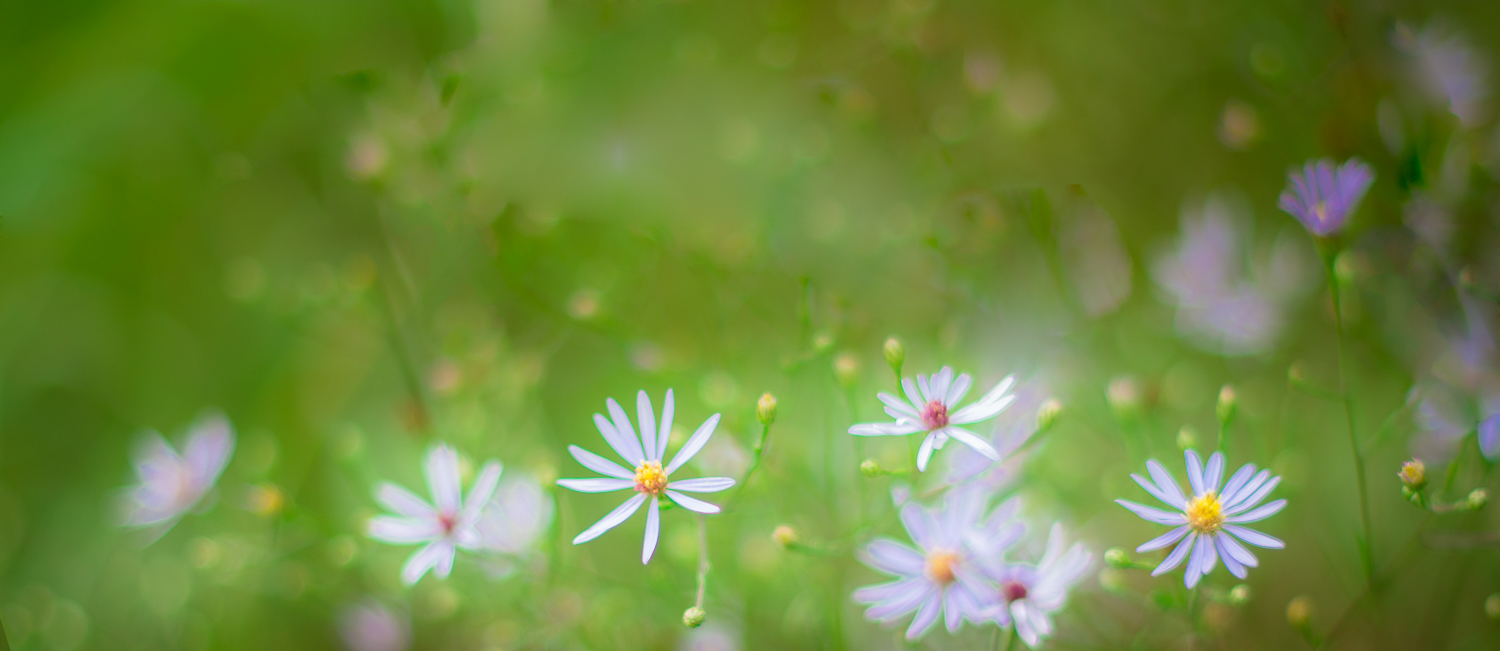
Different species require different techniques for seed collecting. For some of them, like black-eyed Susans (Rudbeckia hirta), you will need to clip off the entire seed head. Other species, like New England aster (Symphyotrichum novae-angliae), will have fluffy seeds that you can shake off into a bag, or pinch off the fluff with your fingers.
Once you have collected the seed, keep it in a paper bag to dry for a few days to a week, and then put it into an envelope until you are ready to sow it. Make sure to label the seed at every step of the process (you don’t have to label it in latin, the common name will do!). The fluffy seeds, in particular, all look rather similar after they have been collected.

Make sure to label them!
Sedge germination report
It is finally here! We have been researching the germination of different sedge species for the past two years, and we have compiled a report on our findings. We have not finished running all of the trials, but we wanted to make the information that we currently have available. We will update the document as species come out of stratification and the ongoing trials are completed.
We found that while many sedge species required a period of cold moist stratification, some were conditionally dormant, and they would germinate at lower levels without stratification if they were exposed to light. We also found that some would germinate if they were submerged in water and placed under lights.
Sedges are a great addition to any garden, we hope that this report will help more people grow sedges from seed.

Ontario Ecological Restoration Conference
This year the Ontario Ecological Restoration Conference will be held at the University of Waterloo on October 16th and 17th. We will be attending and giving a presentation on our sedge germination trials. We had a great time at last year’s conference, we are looking forward to hearing all of the fantastic speakers this year. Registration is now open if you would like to attend.

May your October be filled with vibrant leaves, migrating birds, and gathering seeds,
Andrea